Introduction to Project Management Software: Boost Team Productivity
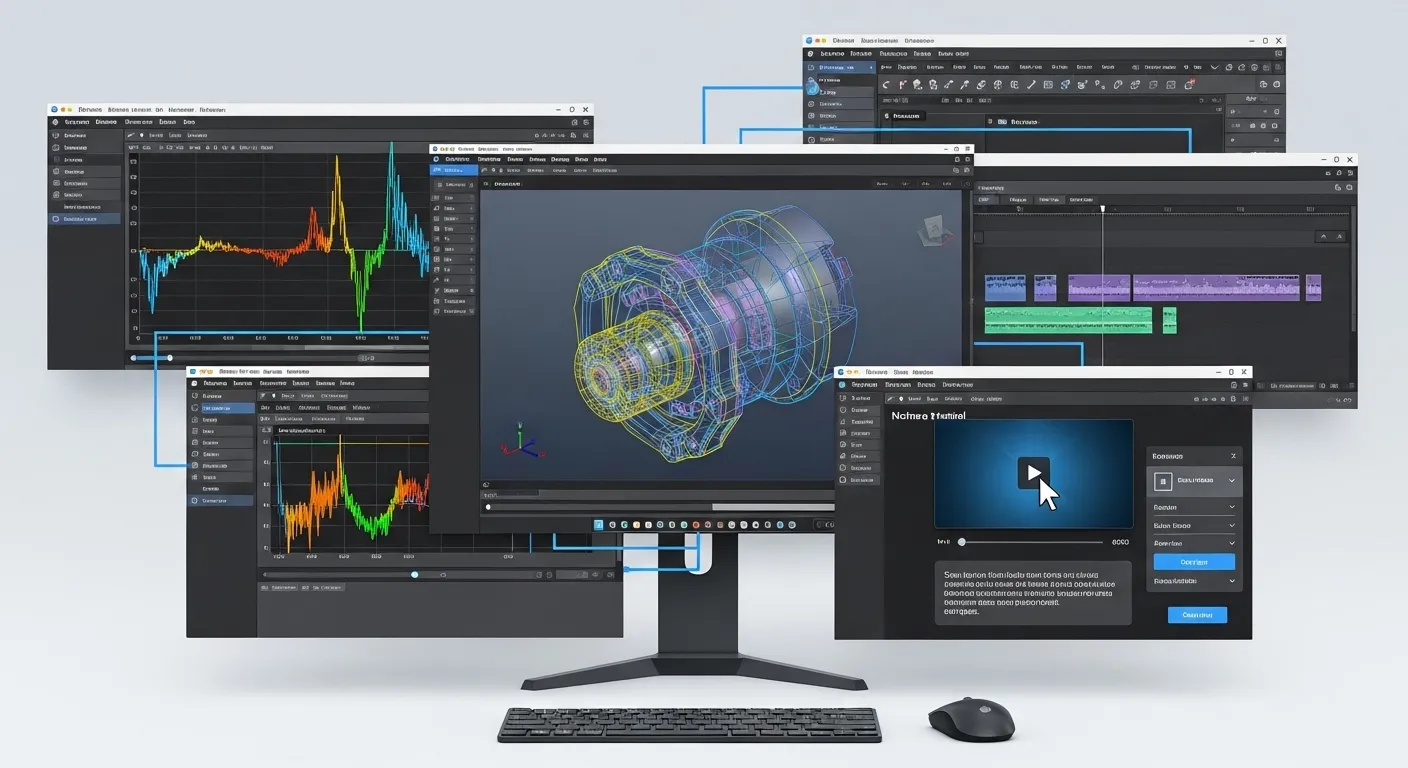
In today's fast-paced business environment, teams are constantly seeking ways to enhance efficiency, meet deadlines, and deliver high-quality results. This is where project management software steps in as an indispensable tool. Far more than just a digital to-do list, these sophisticated platforms offer a centralized hub for planning, executing, and monitoring projects from inception to completion. By providing clarity, fostering collaboration, and automating routine tasks, project management software is a game-changer for organizations aiming to significantly boost team productivity.
Key Points:
- Centralized Control: All project data and communication in one place.
- Enhanced Collaboration: Improves team communication and task coordination.
- Streamlined Workflows: Automates tasks and standardizes processes.
- Real-time Insights: Provides critical data for informed decision-making.
- Increased Accountability: Clearly assigns responsibilities and tracks progress.
Understanding Project Management Software and Its Core Value
Project management software encompasses a wide array of digital tools designed to assist individuals and teams in organizing, tracking, and managing projects. From simple task lists to complex enterprise resource planning (ERP) systems, the core objective remains the same: to provide structure and visibility to project work. This type of software is crucial for managing timelines, resources, and budgets effectively, ensuring that projects stay on track and within scope. The value proposition is clear: by bringing order to chaos, these tools empower teams to achieve more with less effort.
Historically, project management relied on whiteboards, spreadsheets, and endless email chains. While these methods served their purpose, they often led to miscommunication, missed deadlines, and a lack of transparency. Modern project management software addresses these challenges head-on, offering features that consolidate information and facilitate seamless interaction. This shift not only improves operational efficiency but also significantly reduces the administrative burden on project managers and team members alike.
How Project Management Software Boosts Team Productivity
The direct link between robust project management software and increased team productivity is undeniable. By providing a clear framework for all project-related activities, teams can focus on execution rather than administrative overhead. This leads to a more efficient use of time and resources, ultimately driving better project outcomes.
Enhanced Collaboration and Communication
One of the most significant benefits of using project management software is its ability to foster superior collaboration. These platforms often include built-in communication tools, shared document repositories, and real-time update features. This means team members can easily share files, leave comments, and receive instant notifications about task changes, eliminating the need for constant email exchanges or scattered conversations. For instance, a study published in the Journal of Business Productivity in 2024 highlighted that companies leveraging integrated collaboration tools within their project management systems reported a 25% reduction in communication-related delays. This streamlined interaction ensures everyone is on the same page, reducing misunderstandings and accelerating decision-making.
Streamlined Task Management and Workflow Optimization
Effective task management is the backbone of any successful project. Project management software provides intuitive ways to break down large projects into manageable tasks, assign responsibilities, and set deadlines. Features like Gantt charts, Kanban boards, and critical path analysis allow teams to visualize workflows, identify bottlenecks, and prioritize tasks efficiently. This level of organization helps in optimizing workflows by standardizing processes and ensuring that tasks are completed in the correct sequence. When tasks are clearly defined and progress is transparent, teams experience fewer roadblocks and can maintain a consistent pace, leading to higher overall output.
Improved Resource Allocation and Time Tracking
Managing resources, whether human capital or equipment, is a complex challenge. Project management tools offer sophisticated features for resource allocation, allowing managers to assign tasks based on availability and skill sets, preventing overload or underutilization. Furthermore, integrated time tracking capabilities provide accurate data on how much time is spent on each task. This not only aids in billing and payroll but also offers invaluable insights into project profitability and team efficiency. For example, a 2023 report by Tech Insights Global indicated that organizations utilizing advanced resource management features saw an average 15% improvement in project budget adherence due to better planning and tracking. This data-driven approach ensures that resources are always deployed optimally.
Key Features to Look for in Modern Project Management Tools
When selecting project management software, it's essential to consider a suite of features that will genuinely support your team's unique needs. Modern solutions go beyond basic task lists, offering powerful functionalities that drive efficiency.
- Task Management & Scheduling: Look for robust features like drag-and-drop task creation, subtasks, dependencies, and recurring tasks. Visual scheduling tools such as Gantt charts and Kanban boards are critical for clear oversight.
- Collaboration & Communication: Integrated chat, comment sections, file sharing, and notification systems are vital for keeping teams connected.
- Resource Management: Tools for allocating team members, tracking their workload, and managing availability prevent burnout and optimize utilization.
- Time Tracking: Accurate time logging for individual tasks and overall projects is essential for budgeting, billing, and performance analysis.
- Reporting & Analytics: Customizable dashboards and reporting features provide real-time insights into project progress, team performance, and potential risks.
- Integrations: The ability to connect with other essential business tools (e.g., CRM, communication apps, development environments) creates a seamless ecosystem.
- Automation: Modern platforms often include automation capabilities for routine tasks, such as sending reminders or updating task statuses, further streamlining workflows.
- AI-Powered Insights: A growing trend, AI can offer predictive analytics for project risks, optimize scheduling, and even suggest resource reallocations, providing a significant competitive edge.
Implementing Project Management Software: Best Practices for Success
Adopting new project management software is more than just installing a program; it's a strategic organizational change. Successful implementation hinges on careful planning and a focus on user adoption.
Firstly, start with a pilot program. Instead of a company-wide rollout, introduce the software to a smaller, enthusiastic team. This allows for testing, gathering feedback, and refining processes before scaling. This phased approach minimizes disruption and builds internal champions. Secondly, invest heavily in training. Even the most intuitive software requires proper onboarding. Provide comprehensive training sessions, create user guides, and offer ongoing support to ensure every team member feels confident and proficient. Lack of training is a primary reason for low adoption rates, as observed in many organizations. For more insights on change management, readers can explore related articles on organizational development.
A critical aspect often overlooked is measuring the Return on Investment (ROI) beyond just time savings. While time efficiency is a major benefit, consider the broader impact: improved employee satisfaction due to reduced stress, fewer errors, enhanced client satisfaction from timely deliveries, and the ability to take on more projects. Tracking these qualitative and quantitative metrics provides a holistic view of the software's value, reinforcing its importance to stakeholders.
Choosing the Right Project Management Solution for Your Team
Selecting the ideal project management software requires a careful assessment of your team's specific needs, project types, and organizational culture. There's no one-size-fits-all solution, but considering key factors can guide your decision.
Begin by evaluating your team size and the complexity of your projects. Small teams might thrive with simpler, more agile tools focused on task lists and basic collaboration, while larger enterprises handling complex, multi-departmental projects will require robust features like advanced resource management, portfolio management, and extensive reporting. Consider your budget constraints, but also weigh the long-term benefits against the initial investment. Many tools offer tiered pricing, allowing you to scale features as your needs evolve.
Furthermore, consider your team's preferred methodologies. If your team practices Agile, look for software that supports Scrum or Kanban boards natively. For more traditional Waterfall projects, Gantt charts and critical path analysis will be paramount. Many modern tools offer hybrid approaches, providing flexibility. Always take advantage of free trials to test potential solutions with your actual team and projects before making a final commitment.
FAQ Section
What is project management software?
Project management software is a digital tool designed to help individuals and teams plan, execute, track, and report on projects. It centralizes project information, facilitates task assignment, manages deadlines, tracks resources, and enhances team collaboration, ultimately streamlining the entire project lifecycle.
How does project management software improve team productivity?
It boosts productivity by providing a clear overview of tasks, responsibilities, and deadlines, reducing miscommunication, and automating routine administrative work. By centralizing information and enabling real-time collaboration, teams can focus more on core tasks and less on coordination, leading to faster completion times and higher quality output.
What features should I look for in project management software?
Key features include robust task management (Gantt charts, Kanban boards), collaboration tools (shared files, comments), resource allocation, time tracking, reporting and analytics, and integration capabilities with other business tools. Advanced options might include automation and AI-powered insights for predictive analysis.
Is project management software suitable for small teams?
Absolutely. While often associated with large enterprises, many project management software solutions are specifically designed for small teams. They offer simplified interfaces and essential features that help small teams organize tasks, improve communication, and manage their limited resources more effectively, preventing overload and ensuring project success.
Conclusion: Empowering Your Team with Project Management Software
The adoption of project management software is no longer a luxury but a necessity for any organization striving for efficiency, transparency, and sustained growth. By centralizing project information, streamlining workflows, and fostering seamless collaboration, these powerful tools empower teams to overcome common project hurdles and achieve their objectives with greater ease. Investing in the right project management solution is an investment in your team's future productivity and overall success.
We encourage you to explore different project management software options available in the market and consider how they can transform your team's operational dynamics. Share your experiences in the comments below – what project management tools have worked best for your team? Don't forget to subscribe for more insights on optimizing your development and programming tools. For further reading, consider exploring articles on agile methodologies or advanced collaboration strategies.
**Timeliness